

















By Dr Jess Michaels | Osteopath, Birth Doula, IBCLC and Founder of The Birth Sling®
For thousands of years, women across different cultures have used birth ropes, hammocks and other forms of suspended support to move, rest and find comfort during labour. Long before hospital beds became a central feature of modern maternity care, women were giving birth in upright positions, using gravity, movement and the support of those around them.
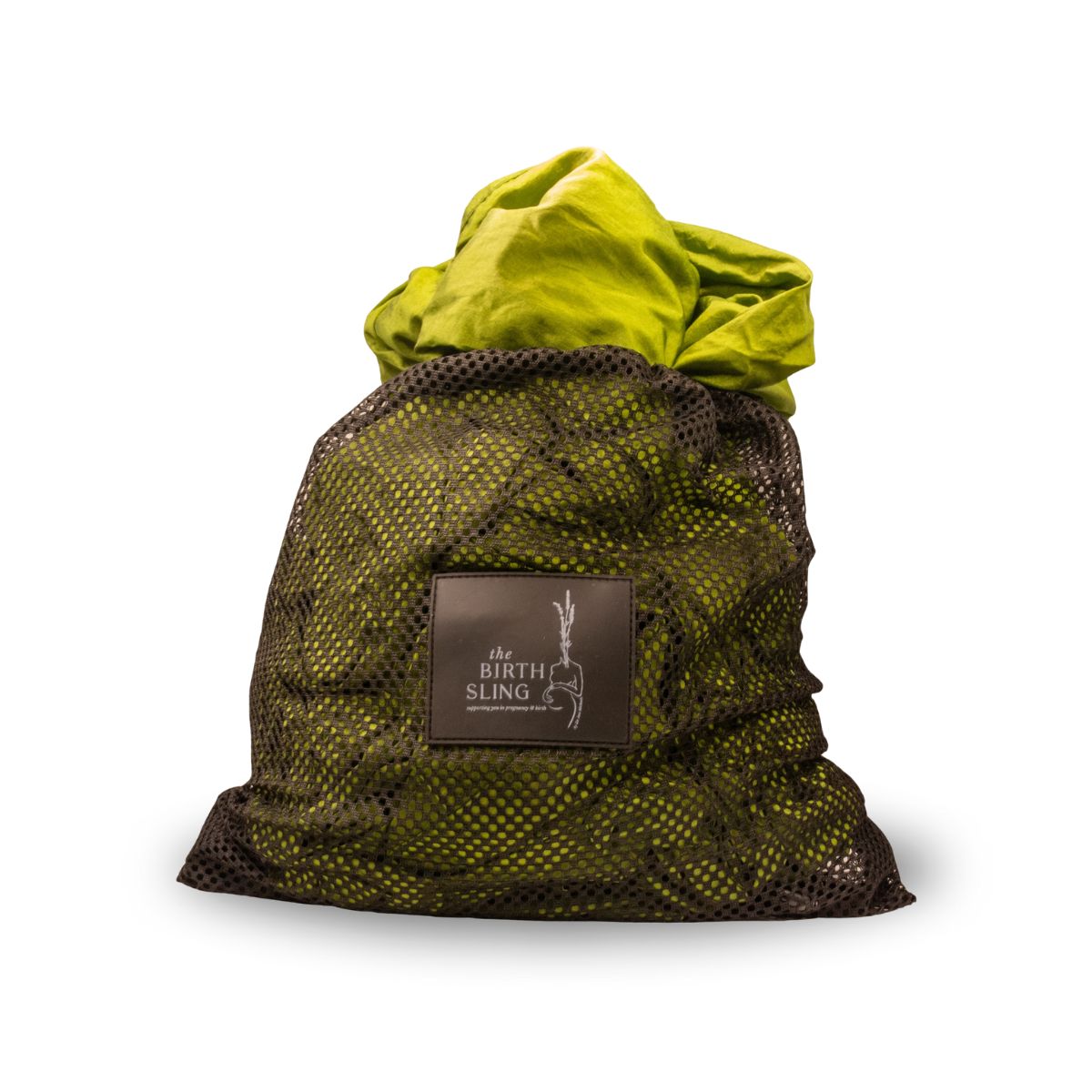
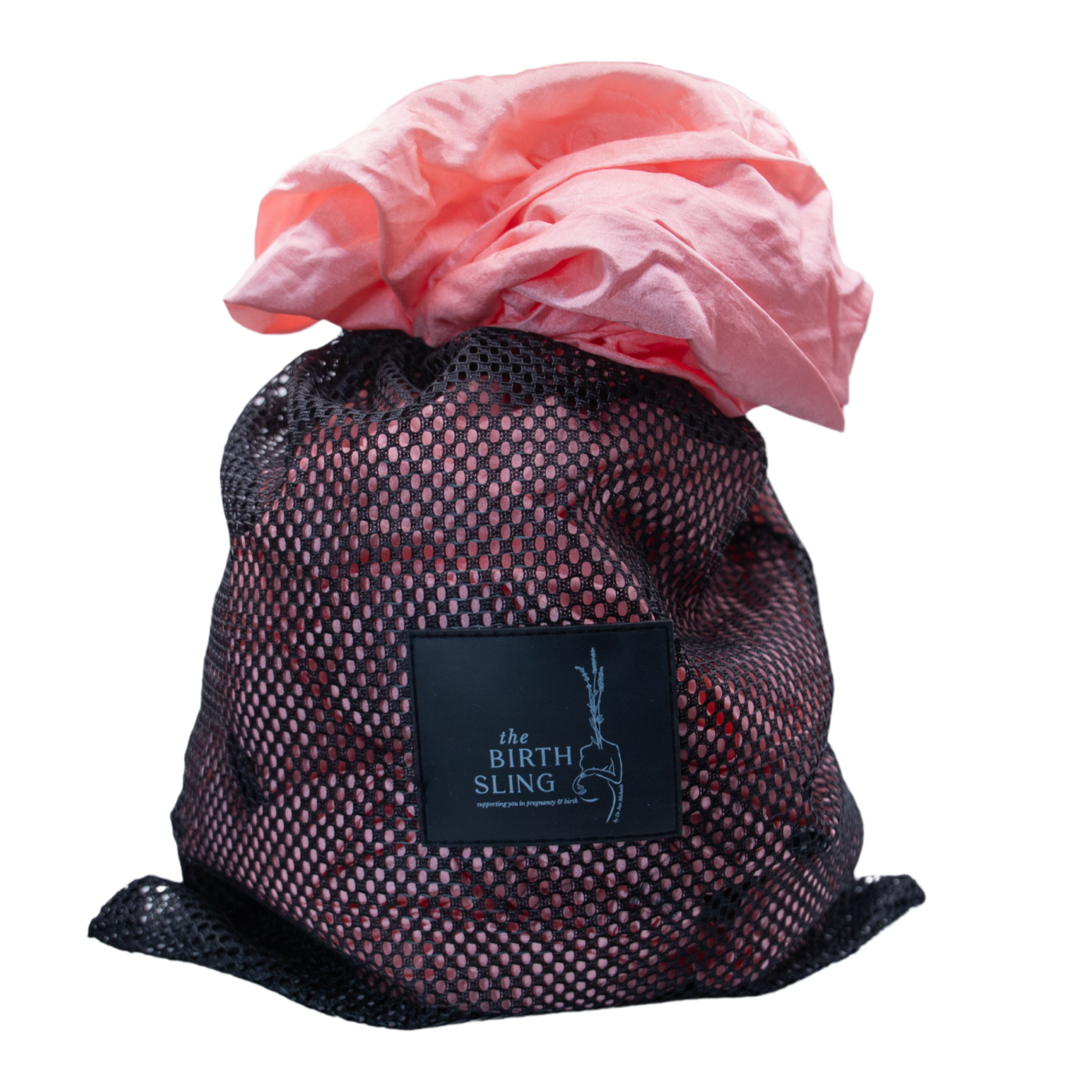
The Birth Sling® is a modern take on these ancient birthing tools, designed to support women throughout pregnancy, labour and birth.
Created by osteopath, birth doula and mum of two Dr Jess Michaels, The Birth Sling provides a simple, portable way to explore movement, relieve physical pressure and practise upright birth positions, whether you're planning a homebirth or hospital birth.
And one of its greatest benefits? You don't have to wait until labour begins to start using it.
What is The Birth Sling?

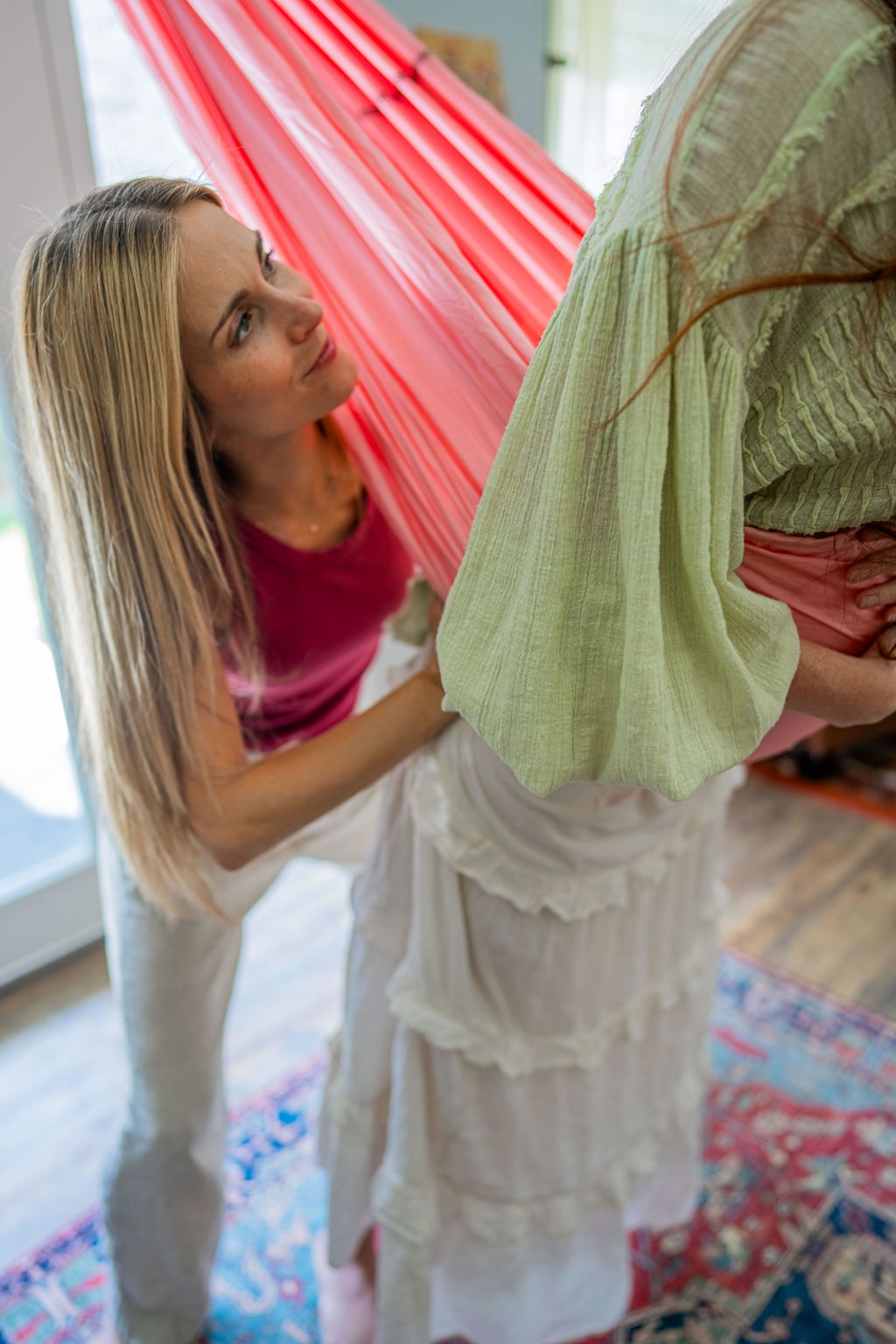
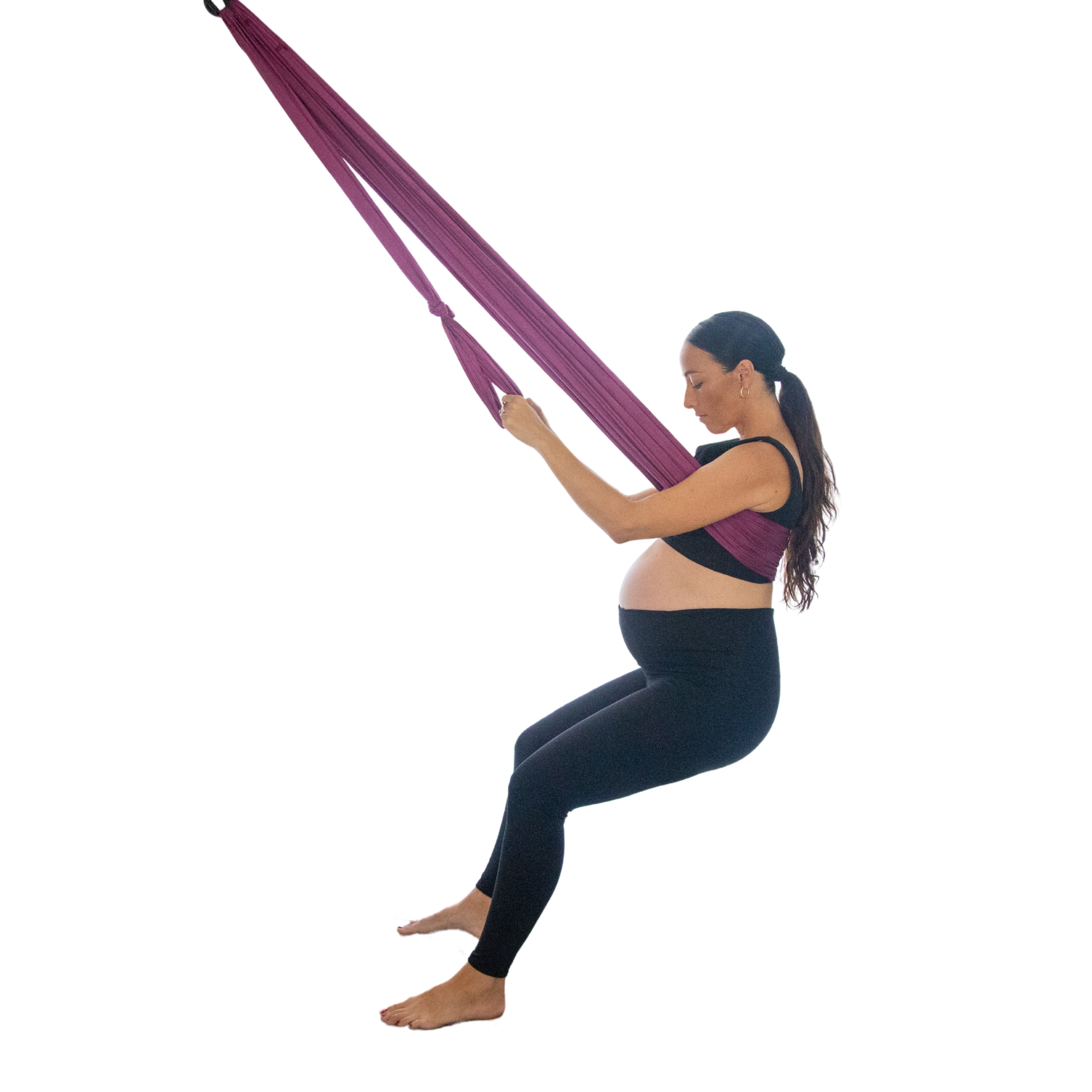
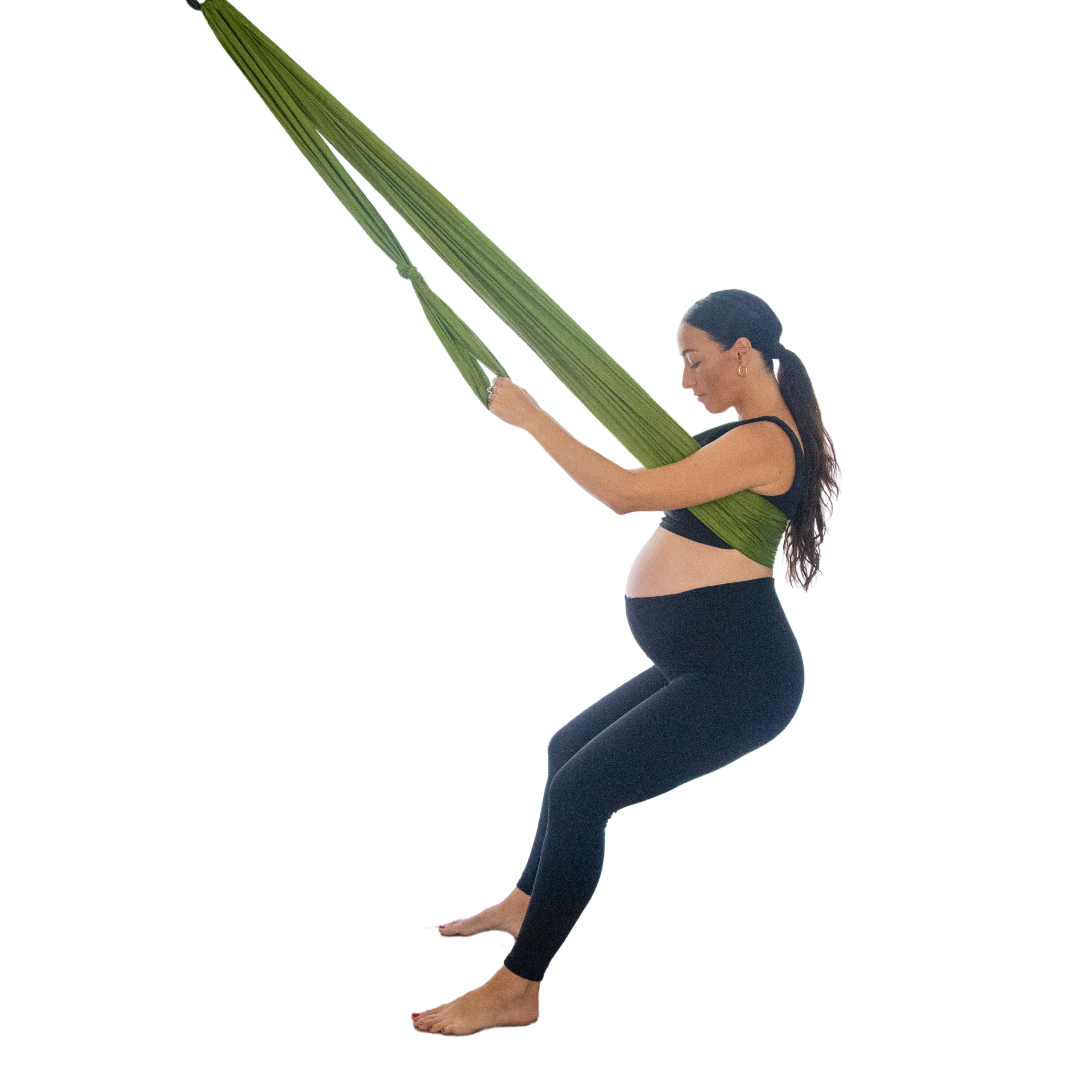
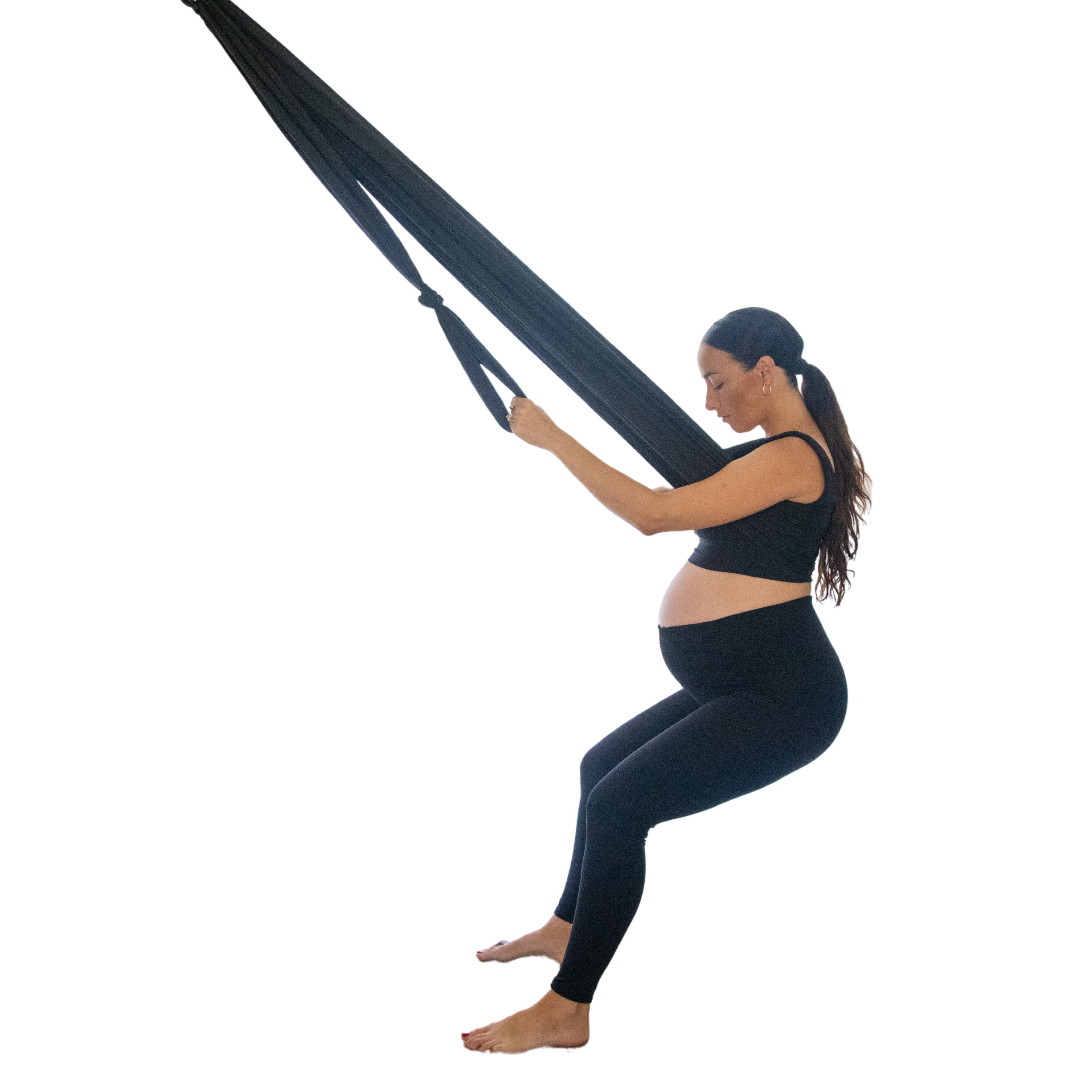
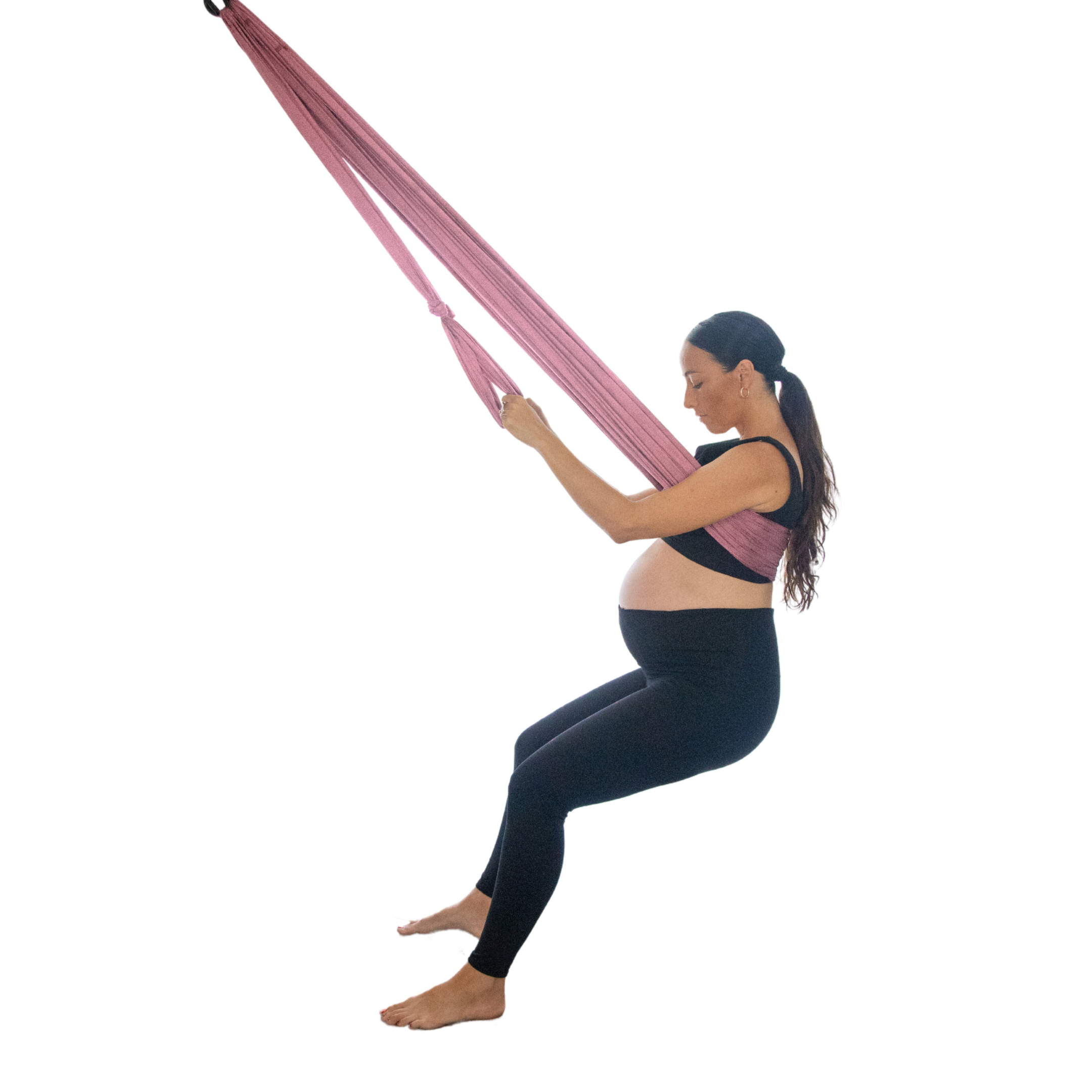
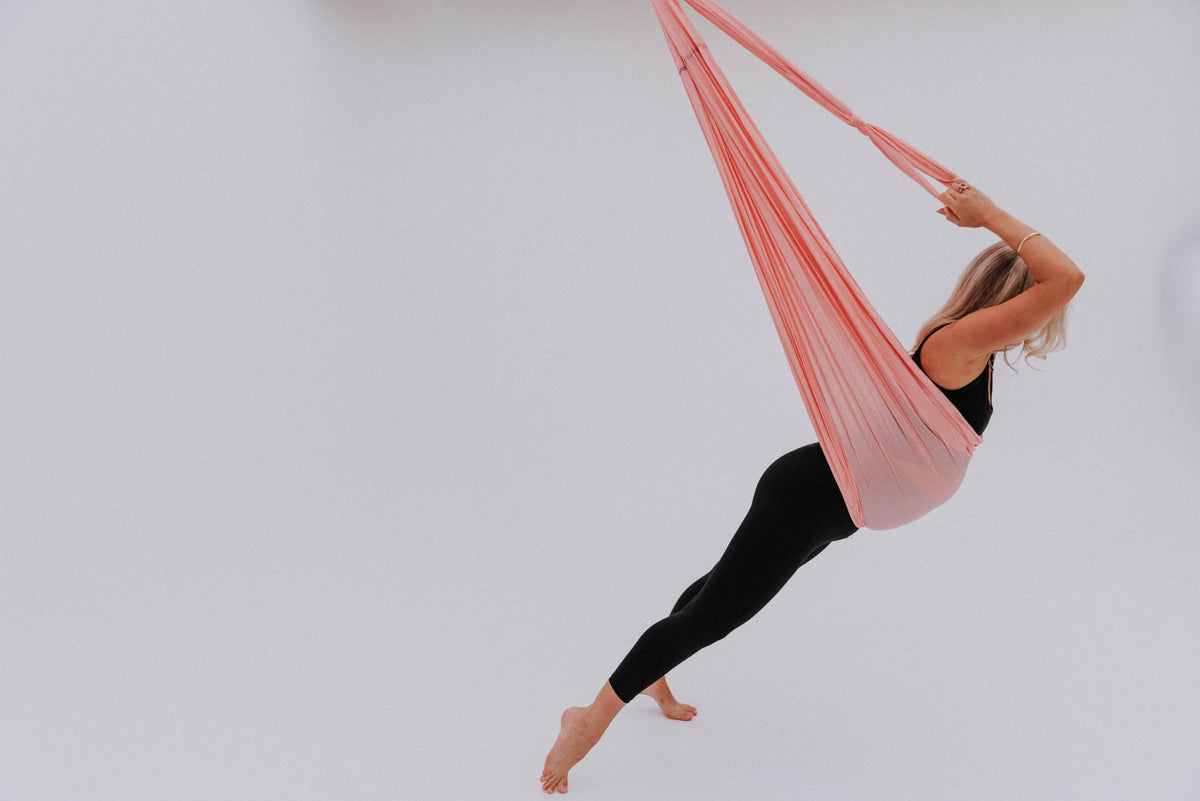
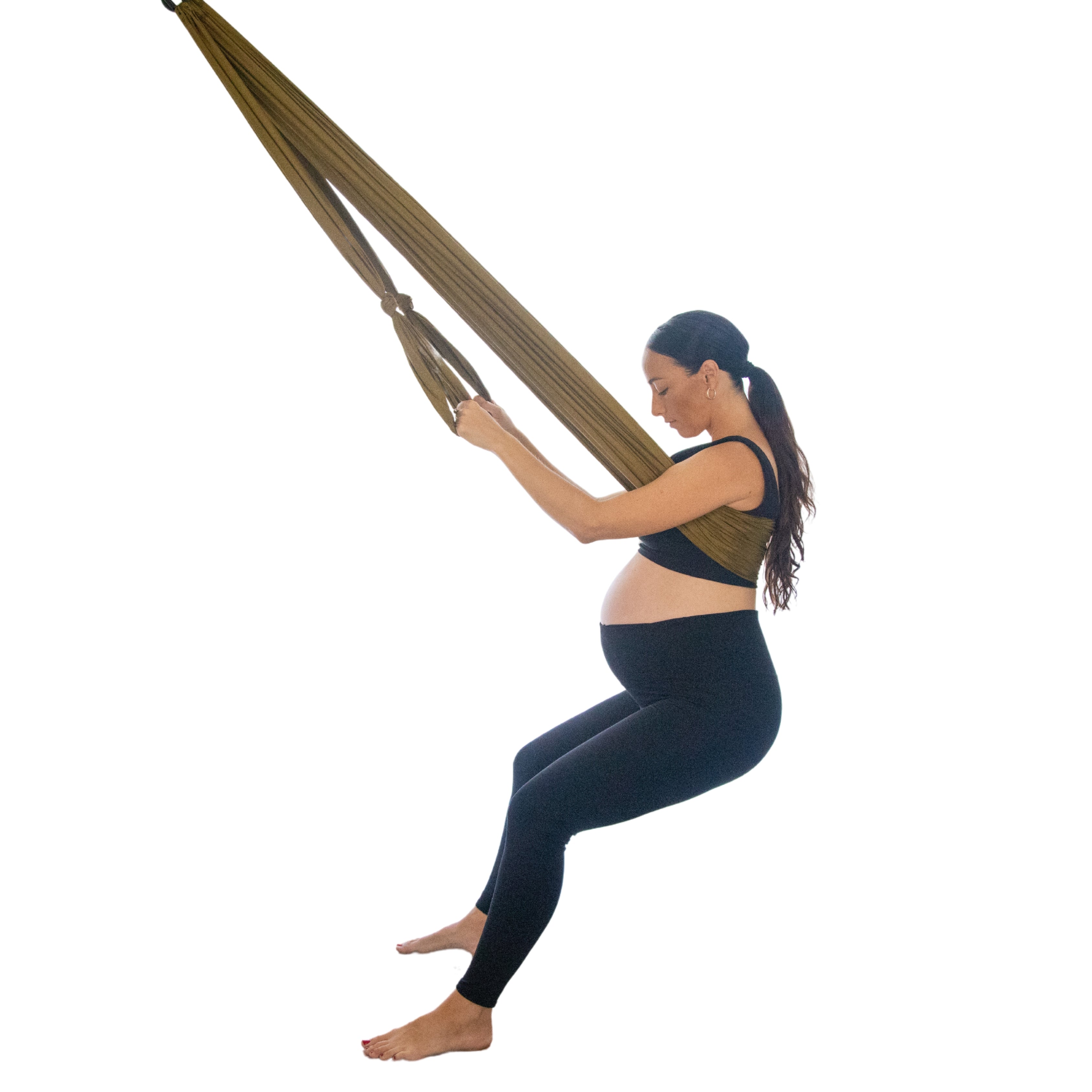
The Birth Sling is a supportive fabric sling that allows women to lean, squat, kneel, sway and explore different positions throughout pregnancy and labour.
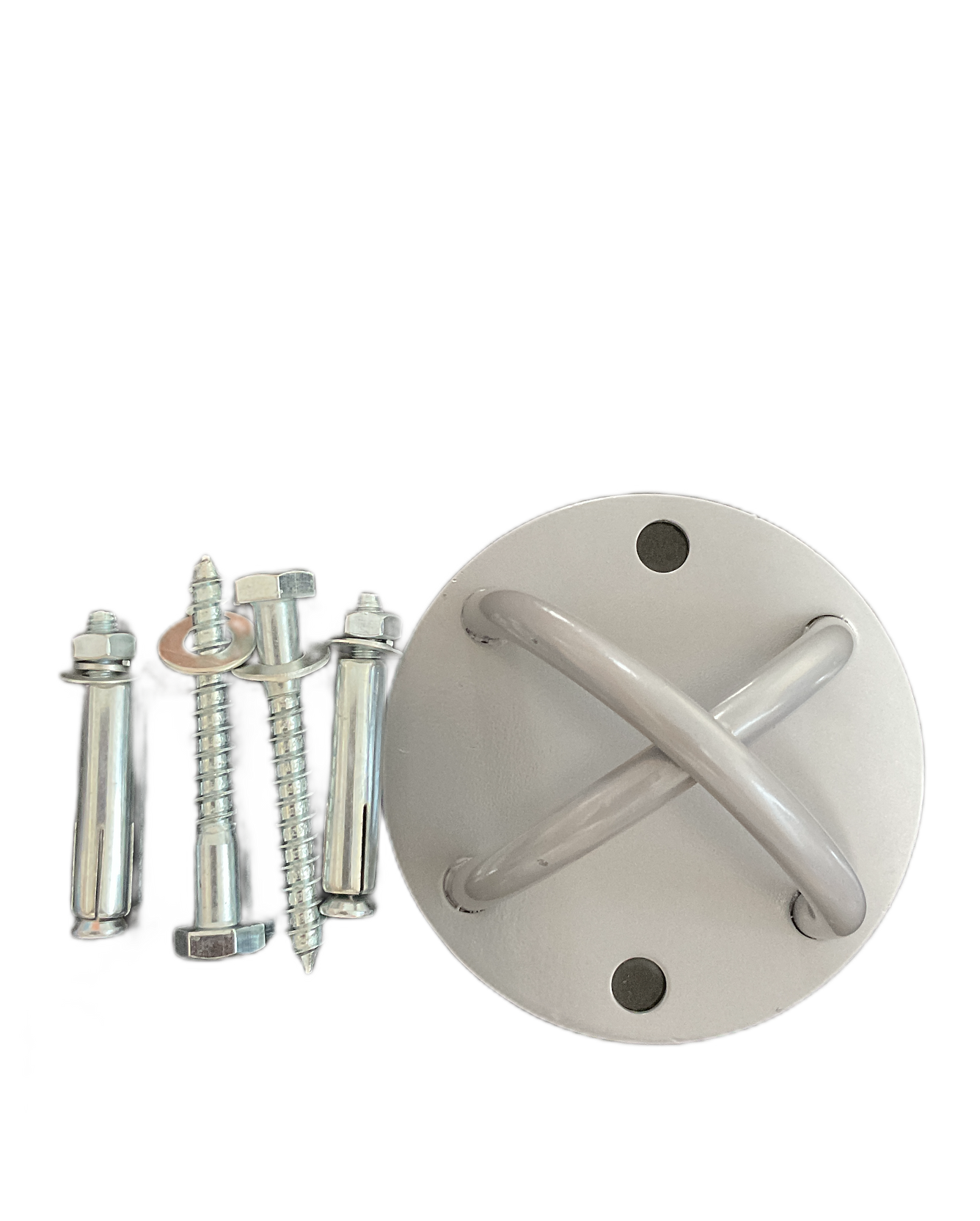
Inspired by traditional birth ropes and hammocks, it has been reimagined for modern maternity care, with portable attachment options that make it suitable for use at home and in appropriate hospital environments.
Rather than restricting you to one position, The Birth Sling gives you something to hold on to, lean into and use for additional support as you move.
From around 20 weeks of pregnancy, you can begin incorporating it into your prenatal movement routine, exploring positions that feel comfortable in your changing body and becoming familiar with movements you may want to use during labour.
Why use The Birth Sling during pregnancy?
Birth preparation doesn't have to begin when contractions start.
During pregnancy, your posture, centre of gravity and the demands placed on your muscles and joints are constantly changing. As your baby grows, you may notice increasing tension through your lower back, hips and pelvis, or find that movements that once felt easy require a little more support.
The Birth Sling allows you to continue moving while providing additional stability and reducing some of the effort required to hold certain positions.

Maintain pelvic and hip mobility
Explore supported squats, gentle pelvic movements and stretches to maintain comfortable movement through your hips and pelvis as your pregnancy progresses.
Relieve pressure and tension
Supported forward leaning, rocking and swaying may help ease discomfort through your lower back and pelvis while giving your body an opportunity to relax.
Prepare for upright and active labour
Practise kneeling, squatting, forward leaning and asymmetrical positions before labour begins, discovering which movements feel comfortable and how to transition between them.Regular, comfortable movement throughout pregnancy can also help maintain physical activity and confidence in your ability to move as your body changes.
Can The Birth Sling support optimal fetal positioning?
Your baby's position is influenced by many factors, and no particular exercise or birth tool can guarantee that your baby will settle into an optimal position for birth.
However, maintaining mobility and regularly changing positions during pregnancy allows you to explore a variety of movements rather than spending long periods in one position.
The Birth Sling makes it easier to incorporate supported forward leaning, asymmetrical movements, pelvic mobility exercises and upright positions into your daily routine.
The aim isn't to force your baby into a particular position. It's to support comfortable maternal movement, maintain mobility through your pelvis and give you opportunities to explore different positions as your baby grows.
Although these movements may be comfortable and useful for birth preparation, research has not established that using a birth sling during pregnancy prevents malposition or guarantees optimal fetal positioning.
Why is a birth sling beneficial during labour?

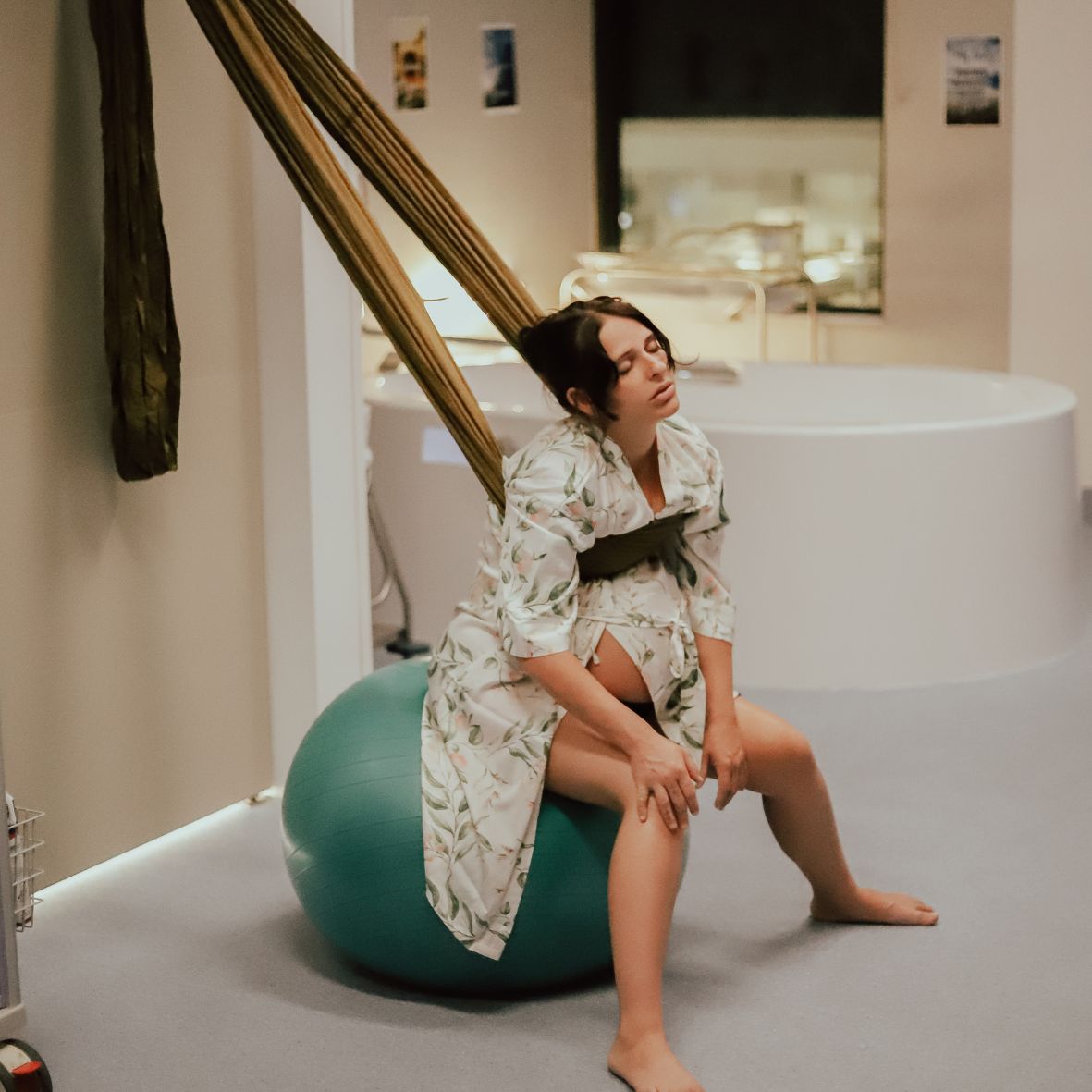
Labour is an incredibly physical experience. As contractions intensify and your baby moves through your pelvis, you may instinctively want to lean forward, rock your hips, squat, kneel or change positions.
The Birth Sling gives you a stable point of support so you can explore these movements without relying entirely on your own muscular strength or needing your birth partner to physically support your weight.
Research on upright and mobile positions during the first stage of labour suggests that they may shorten labour and reduce the likelihood of certain interventions, including caesarean birth. However, these findings relate to maternal positions and movement generally, rather than to The Birth Sling specifically.
Using The Birth Sling during labour may help you:
-
Stay upright and mobile while having something secure to hold.
-
Explore positions that may relieve pressure through your lower back and pelvis.
-
Use supported squats, kneeling and forward leaning positions.
-
Change positions throughout labour as your comfort and needs evolve.
-
Rest between contractions while remaining supported.
The Birth Sling can also be incorporated into water birth when installed appropriately, allowing you to use its support while moving and changing positions in the birth pool.
Prepare during pregnancy so movement feels intuitive in labour
Don't learn a new skill in labour.
At The Birth Sling, we believe movement during labour should feel intuitive, not something you have to consciously think about.
That's why we encourage women to begin using The Birth Sling from around 20 weeks of pregnancy.
By exploring different movements throughout pregnancy, you can discover what feels good in your body, practise supported birth positions and develop familiarity with your sling.
When labour begins, you already know where to hold, how to lean into it and which movements you enjoy. Rather than concentrating on learning something new, you can focus on listening to your body and responding to what feels right in the moment.
Our prenatal movement tutorials are designed to help you explore these positions in your own time, building familiarity and confidence as you prepare for birth.
A modern birth tool inspired by ancient wisdom
The Birth Sling is inspired by the longstanding use of birth ropes, hammocks and other forms of physical support in childbirth across different cultures.
These traditional tools provided women with something to hold, pull against or lean into while labouring in upright positions.
The Birth Sling brings this concept into modern birth spaces, with portable attachment options that can be used at home or in suitable hospital environments.
It is designed to support a variety of birth preferences, including women planning unmedicated births and those using medical pain relief where movement is appropriate and supported by their maternity care team.
Ultimately, there is no single correct position for giving birth. The purpose of The Birth Sling is to offer more options for movement, comfort and physical support throughout pregnancy and labour.
When should you start using The Birth Sling?
We recommend introducing The Birth Sling from around 20 weeks of pregnancy, provided movement is comfortable and appropriate for your individual pregnancy.
You don't need to spend hours exercising. Even a short daily movement routine can give you an opportunity to explore supported positions, maintain mobility and discover movements you enjoy.
Always follow the installation and safety instructions, keep your feet grounded when using the sling, and seek individual guidance if you have pregnancy complications or restrictions on physical activity.
Start moving with The Birth Sling
Discover our Daily Moves prenatal movement tutorials and explore how to use your Birth Sling from 20 weeks of pregnancy.
Get familiar with your sling, discover the movements that feel good in your body and prepare for an active labour.
Explore The Birth Sling